Ever spent hours crafting the perfect Instagram carousel, only to have it disappear due to a technical glitch? Yeah, us too.
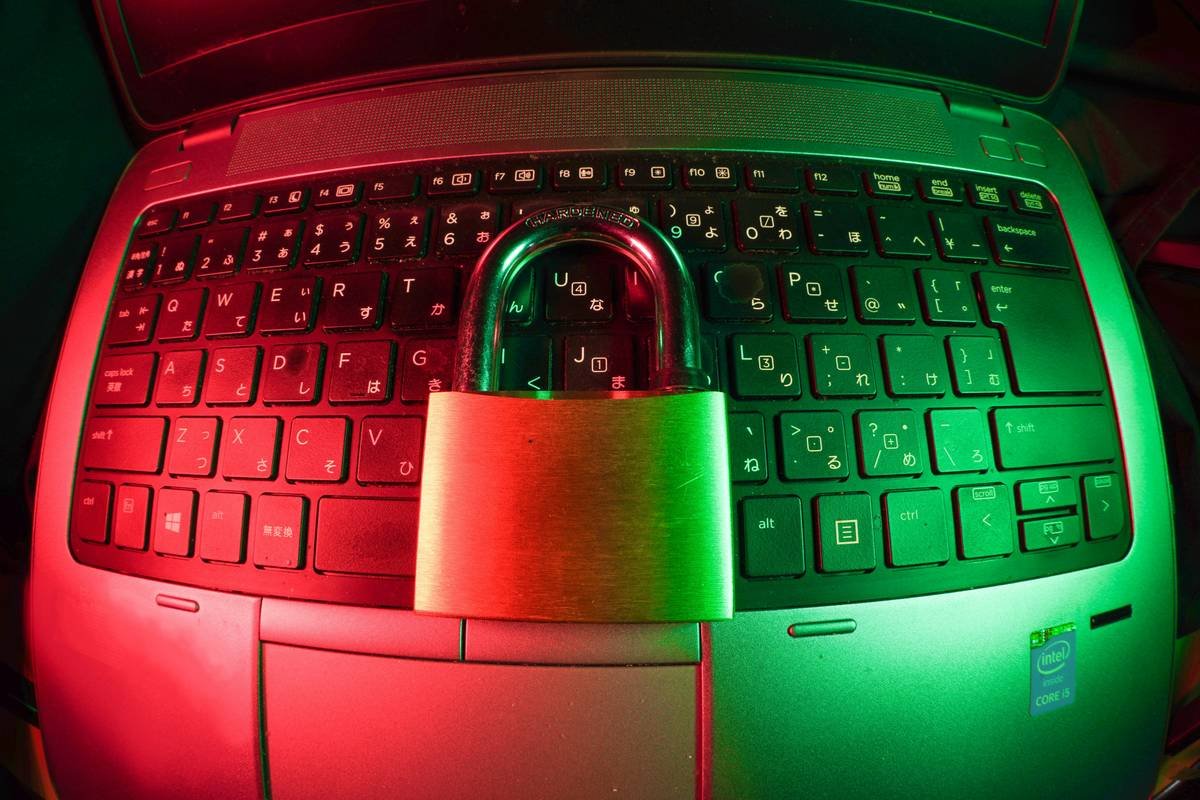
If your livelihood depends on creating and sharing digital content, you’re no stranger to the anxiety-inducing risk of losing valuable assets. Whether it’s corrupted files, accidental deletions, or even cyberattacks—content damage is real, and it can hit hard. That’s why we’re diving deep into content damage protection, exploring how media insurance plays a pivotal role in securing your work and peace of mind.
In this ultimate guide, you’ll learn:
- What content damage protection really means.
- Why media insurance should be part of your personal finance strategy.
- Actionable steps to implement safeguards for your digital creations.
- Real-world examples of creators who survived thanks to proper planning.
Table of Contents
- The Burning Problem of Content Damage
- Step-by-Step Guide to Protecting Your Assets
- Best Practices for Maximizing Insurance Benefits
- Real-World Examples of Saved Media Assets
- FAQs About Content Damage Protection and Media Insurance
Key Takeaways
- Always back up your files. It’s the first line of defense against content damage.
- Media insurance isn’t just for big studios—it’s affordable and accessible for freelancers and solo creators.
- Risk management strategies like password protection and two-factor authentication go hand-in-hand with insurance policies.
The Burning Problem of Content Damage
Picture this: You’re an independent filmmaker wrapping up months (or years!) of work on a documentary. Just as you’re about to export the final cut, BAM—a power outage corrupts the entire project. Or worse, hackers infiltrate your system and demand a ransom to unlock your precious footage.
This isn’t fiction—it happens more often than most people realize. According to research by IBM, the average cost of a single data breach in 2023 was $4.45 million. And while that number mainly reflects corporate losses, individual creators also face devastating consequences without robust content damage protection.
Beyond financial loss, there’s the emotional toll of losing irreplaceable creative work. I once accidentally formatted an external drive containing all my client projects because I mistook it for a blank one. Talk about wanting to throw my laptop out the window—it felt like nails on a chalkboard times ten.
Step-by-Step Guide to Protecting Your Assets
Optimist You: “There are simple ways to avoid these nightmares!”
Grumpy You: “Yeah, but they require effort—and coffee.”
-
Back Up Regularly—Seriously
You’ve heard it before, but let me say it again louder for those in the back: BACK UP YOUR FILES! Use cloud storage services like Google Drive or Dropbox, along with physical backups on external drives. Automate this process so you don’t forget.
-
Invest in Quality Anti-Malware Software
Your computer might sound like a jet engine when running scans, but trust me—it’s worth it. Tools like Malwarebytes and Norton 360 will act as your digital bodyguards.
-
Explore Media Insurance Options
Contact insurers specializing in creative industries. Policies vary widely, but many offer coverage for things like stolen equipment, corrupted files, and third-party liabilities.
-
Secure Your Digital Workspace
Use strong passwords and enable two-factor authentication. Avoid storing sensitive info on public Wi-Fi networks—it’s basically inviting trouble over for tea.
Best Practices for Maximizing Insurance Benefits
Don’t Skimp on Policy Details
Read the fine print! A “terrible tip” would be assuming generic homeowner’s insurance covers everything related to your gadgets and data. Spoiler alert: It doesn’t.
Document Everything
Create an inventory of your creative assets. Include screenshots of important projects and receipts for any equipment used. This documentation will serve you well if claims need to be filed.

Real-World Examples of Saved Media Assets
Let’s talk success stories. Sarah, a YouTuber with over 500k subscribers, lost her entire video library after a phishing attack encrypted her files. Thanks to her media insurance policy, she recovered not only her lost content but also received compensation for downtime revenue losses.
Another case involves Jake, a freelance photographer whose SD card failed during a wedding shoot. Fortunately, his insurance reimbursed him for reshooting costs, ensuring his reputation remained intact.
“Sounds too good to be true?” Nope, smart decisions make all the difference.
FAQs About Content Damage Protection and Media Insurance
Is Media Insurance Only for Large Companies?
Nope! Freelancers, bloggers, influencers—all types of content creators can benefit from tailored policies.
How Much Does Media Insurance Cost?
Plans start around $30/month, depending on your needs and coverage scope.
Can I File Claims for Accidental Deletions?
Absolutely, provided your policy specifies such scenarios. Always double-check terms!
Conclusion
Protecting your creative outputs requires both proactive measures and reliable safety nets like content damage protection through media insurance. From backing up regularly to staying vigilant online, every little step counts toward safeguarding your future.
To recap:
- Regular backups + anti-malware = essential hygiene.
- Understand and invest in media-specific insurance.
- Keep detailed records for potential claims.
Stay safe out there, content warriors!
PS: Like Frosted Flakes cereal in the ‘90s, your creativity deserves top-tier protection. 🐯✨