Ever lost sleep wondering if your online brand could survive a PR nightmare? Yeah, it’s happened to the best of us.
In today’s digital-first world, being covered by media outlets—whether good or bad—can make or break your personal brand. But what happens when that coverage goes sideways? If you’re thinking, “Isn’t this just for big corporations?” think again. Freelancers, influencers, and small business owners all need safeguards in place. In this guide, we’ll dive into how digital media coverage impacts you and why media insurance is critical for navigating the chaos. Buckle up—you’ll learn why ignoring it could cost you dearly (and how to fix that). Let’s get started!
Table of Contents
- Key Takeaways
- The Problem with Digital Media Coverage
- How to Protect Yourself Step by Step
- Best Practices for Navigating Digital Media Coverage
- Real-World Examples You Can Learn From
- FAQs About Digital Media Coverage
- Conclusion
Key Takeaways
- Your online presence is vulnerable to both positive and negative digital media coverage.
- Media insurance protects against defamation claims, copyright infringement lawsuits, and other risks tied to public exposure.
- Without proper coverage, a single viral moment can lead to financial ruin.
- Simple steps like monitoring mentions and creating a crisis plan are essential for mitigating risk.
- Freelancers, influencers, and businesses benefit most from proactive planning.
What’s So Scary About Digital Media Coverage?
Here’s an ugly truth: A single tweet, blog post, or review can spread faster than wildfire. One client I worked with—a freelance graphic designer—was hit hard after accidentally posting incorrect client data on Instagram. Within hours, her phone was blowing up—not with new leads but angry messages. Ouch.
Why does this matter so much? Because you don’t control the narrative. Whether it’s a glowing feature in Forbes or a scathing TikTok rant, digital platforms amplify everything tenfold. And guess what? Algorithms love drama. Without protection, you’re one click away from disaster.
Optimist You:
“But my content is squeaky clean!”
Grumpy Me:
“Yeah, until someone misinterprets it—or hacks your account.”
How to Protect Yourself Against Negative Digital Media Coverage
If you’ve got even a tiny footprint online, listen up. Here’s your step-by-step roadmap:
Step 1: Assess Your Risk Level
Start by auditing where you’re mentioned online. Use tools like Google Alerts or Mention to track keywords related to your name or business. Pro tip? Include industry-specific terms too (e.g., “freelance photographer scandal”). Sounds tedious? Yep—but imagine skipping this and finding yourself trending for all the wrong reasons.
Step 2: Invest in Media Insurance
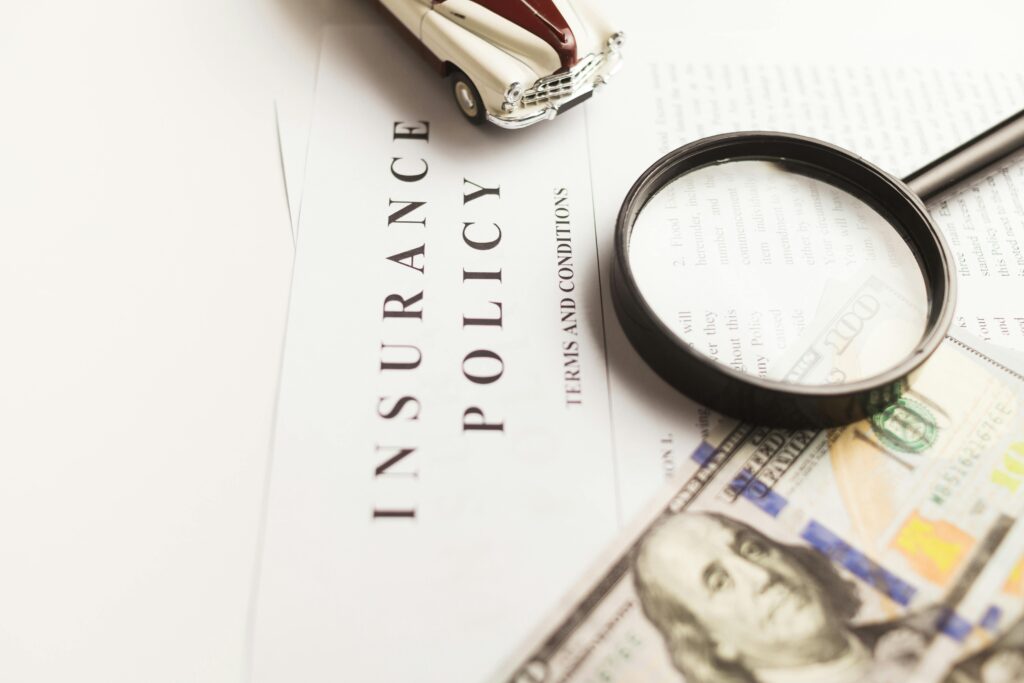
This isn’t optional anymore. Media insurance covers legal fees and damages stemming from libel, slander, copyright issues, and more. For instance, let’s say you accidentally use unlicensed stock photos in your blog posts. Without coverage, that mistake could cost thousands. Trust me—it’s cheaper to pay a premium than face bankruptcy.
Step 3: Draft a Crisis Communication Plan
Come prepared with templated responses for potential crises. Include contact info for your lawyer and PR team. Yes, having a lawyer feels dramatic, but trust me, they’re worth their weight in gold. *Whirrrr*—that’s the sound of your computer fan spinning as you draft these docs. Painful now; priceless later.
Best Practices for Staying Ahead of Digital Media Coverage
1. Monitor Mentions Religiously
Set notifications. Respond promptly. Silence kills reputations way faster than trolls ever could.
2. Leverage Positive Stories
When great coverage hits, shout about it! Share articles, tag publications, and thank journalists publicly.
3. Diversify Your Platforms
Don’t put all your eggs in one basket. Spread your presence across multiple channels to dilute any single platform’s power to tank your image.
4. Avoid These Terrible Tips
“Just ignore bad press.” Oh boy. This advice belongs in the dumpster fire hall of fame. Ignoring negativity invites escalation. Instead, address issues calmly, factually, and quickly.
Real-World Examples You Can Learn From
Let’s talk about a well-known example: PepsiCo. Their infamous Kendall Jenner ad flop showed us two things:
- Even massive brands screw up digital campaigns.
- Having a robust response strategy makes recovery possible.
On the flip side, consider Chick-fil-A, which faced immense backlash yet survived thanks to solid values alignment and crisis prep. Moral of the story? Be ready for anything.
FAQs About Digital Media Coverage
Q: Do small creators really need media insurance?
Absolutely. Even modest followings attract attention—and liability.
Q: How do I find affordable coverage?
Shop around. Many providers offer tailored packages for freelancers and solopreneurs.
Q: What counts as “negative” coverage?
Anything misleading, harmful, or untrue that damages your reputation qualifies.
Final Thoughts: Stay Safe Out There
We live in a world obsessed with visibility. While digital media coverage brings opportunities, it also introduces serious risks. Equip yourself with knowledge, tools, and insurance to thrive—not just survive.
So go ahead—post that Reel, pitch that story, share that project. Just remember: Like a Tamagotchi, your online presence needs daily care.