Ever had a $2,000 camera lens take an unexpected tumble during a shoot? Yeah, me too. That sinking feeling when you hear the crunch of shattered glass or the dull thud of dropped equipment is enough to make any content creator break into a cold sweat. And trust me, replacing broken media gear isn’t just expensive—it’s soul-crushing.
In this post, we’ll dive deep into everything you need to know about media gear protection. From understanding insurance options to actionable steps for safeguarding your equipment, you’ll walk away with practical strategies to protect both your gear and your peace of mind. Here’s what’s coming up:
Table of Contents
- Why Media Gear Protection Matters
- Step-by-Step Guide to Protect Your Media Gear
- Best Practices for Media Insurance Coverage
- Real-World Examples of Media Gear Mishaps
- Frequently Asked Questions About Media Gear Protection
Key Takeaways
- Media gear protection ensures financial safety from costly accidents.
- Insurance policies tailored for media professionals can cover accidental damage and theft.
- Implementing preventive measures like cases and backups can reduce risks significantly.
Why Does Media Gear Protection Matter?
Let’s get real—content creators are investing more than ever in their tools. High-end cameras, tripods, lighting rigs, microphones, and drones add up quickly, often costing tens of thousands of dollars. Yet, one misstep—literally or figuratively—can wipe out your investment faster than you can say “Oops.”
I’ll admit it: I once left my drone charging on a table near an open window. A strong gust sent it flying (and crashing) onto concrete below. The repair bill? Over $500. Ouch. This kind of nightmare scenario happens all too often without proper precautions. But here’s the kicker—most people don’t realize how affordable and accessible comprehensive media gear insurance can be.
Fun Fact: Did you know that over 60% of photographers have experienced some form of gear loss or damage within their first year? Sounds like your laptop fan during a 4K render—whirrrr.
Step-by-Step Guide to Protect Your Media Gear
Now let’s talk action. Ready to shield your precious gear? Follow these steps:
1. Assess Your Current Risk Exposure
Take stock of where and how you use your gear. Are you shooting outdoors frequently? Do you travel internationally for work? These factors impact your risk level and should guide your decision-making process.
2. Invest in Durable Storage Solutions
No matter how careful you are, accidents happen. Waterproof bags, hard-shell cases, and padded inserts can save your gear from water spills, falls, and jostles. Pro Tip: Look for TSA-approved locks if you fly often!
3. Explore Tailored Insurance Plans
Not all insurance plans are created equal. Some companies specialize in media-specific coverage, offering perks like worldwide protection or instant replacements. Research providers thoroughly before signing anything.
Best Practices for Media Insurance Coverage
- Don’t Skimp on Coverage Limits: Make sure your policy covers the full replacement value of your gear—not just depreciation values.
- Document Everything: Keep detailed records of serial numbers, purchase receipts, and photos of each item. It’ll make claims smoother later.
- Review Annually: As you upgrade your gear, ensure your policy reflects those changes. You wouldn’t insure a Ford Fiesta while driving a Ferrari, right?
Terrible Tip Alert: Someone might suggest self-insuring by setting aside cash reserves instead of buying coverage. Sure, *technically* possible—but not recommended unless you’ve got a massive emergency fund ready to absorb major losses. Don’t do it.
Real-World Examples of Media Gear Mishaps
Here’s a classic horror story: A wedding photographer lost her entire SD card archive mid-ceremony due to corrupted files. Thankfully, she was backed by robust insurance, which covered data recovery costs and saved her client relationship. Phew.
Another tale? A videographer accidentally knocked his drone into a lake. His tailored media insurance plan reimbursed him fully for repairs and downtime costs. Like a phoenix rising from ashes, he returned stronger—and drier.
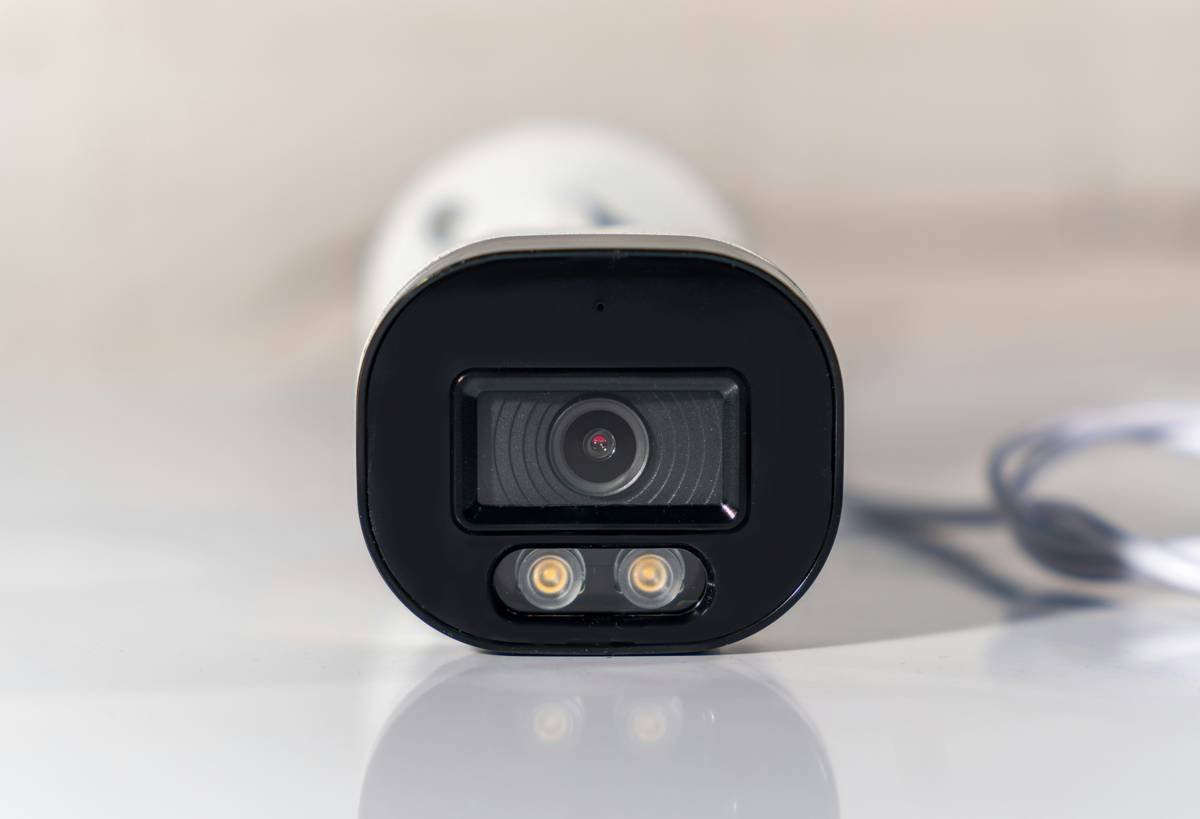
Caption: Even DIY solutions can go a long way in protecting your gear.
Frequently Asked Questions About Media Gear Protection
What does media gear insurance typically cover?
Policies can include accidental damage, theft, loss, and even liability issues such as injuring someone with your equipment. Always read the fine print!
Can I bundle media gear coverage with other insurances?
Absolutely! Many businesses combine general liability, health, and media gear insurance under one policy for convenience and potential discounts.
Is it worth getting insurance for entry-level gear?
“Optimist You:” Maybe start small with warranties and hard cases.
“Grumpy You:” Ugh, fine—but only if coffee’s involved. Seriously though, if your total gear investment exceeds $5,000, consider basic coverage.
Conclusion
If there’s one thing you take away from this article, let it be this: Protecting your media gear isn’t optional—it’s essential. Whether through insurance, proper storage, or proactive habits, safeguarding your tools will keep you creating without interruptions.
And hey, remember—just because something bad COULD happen doesn’t mean it WILL. But being prepared gives you peace of mind so you can focus on what matters most: capturing amazing moments.
Like a Tamagotchi, your SEO strategy needs daily care. So bookmark this page, revisit it whenever you’re unsure, and share it with fellow creators who deserve better than busted lenses and blown budgets.