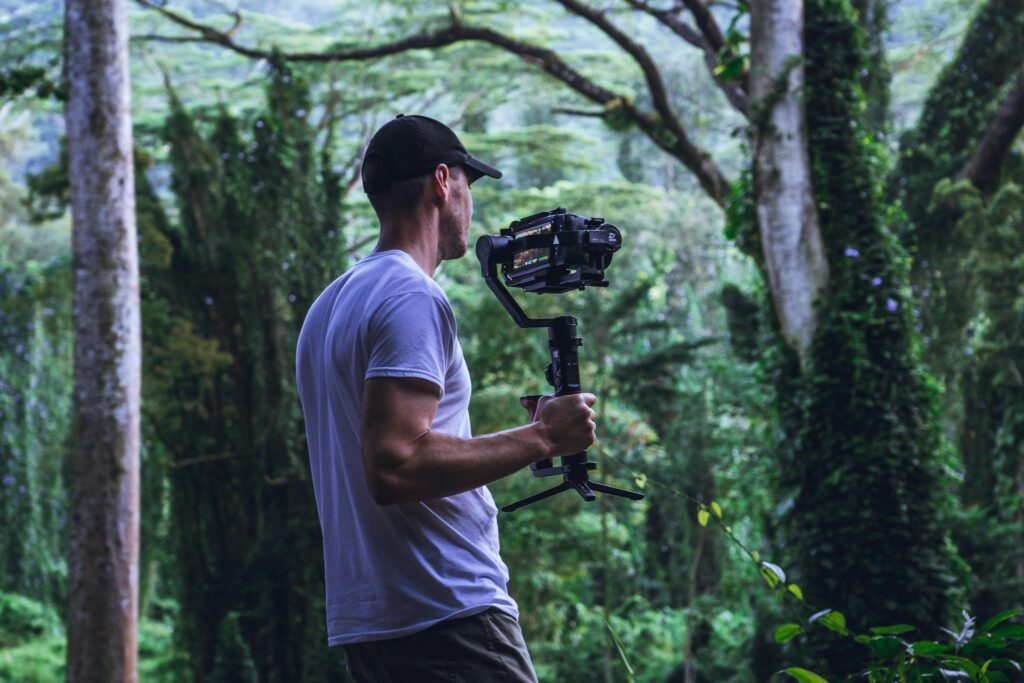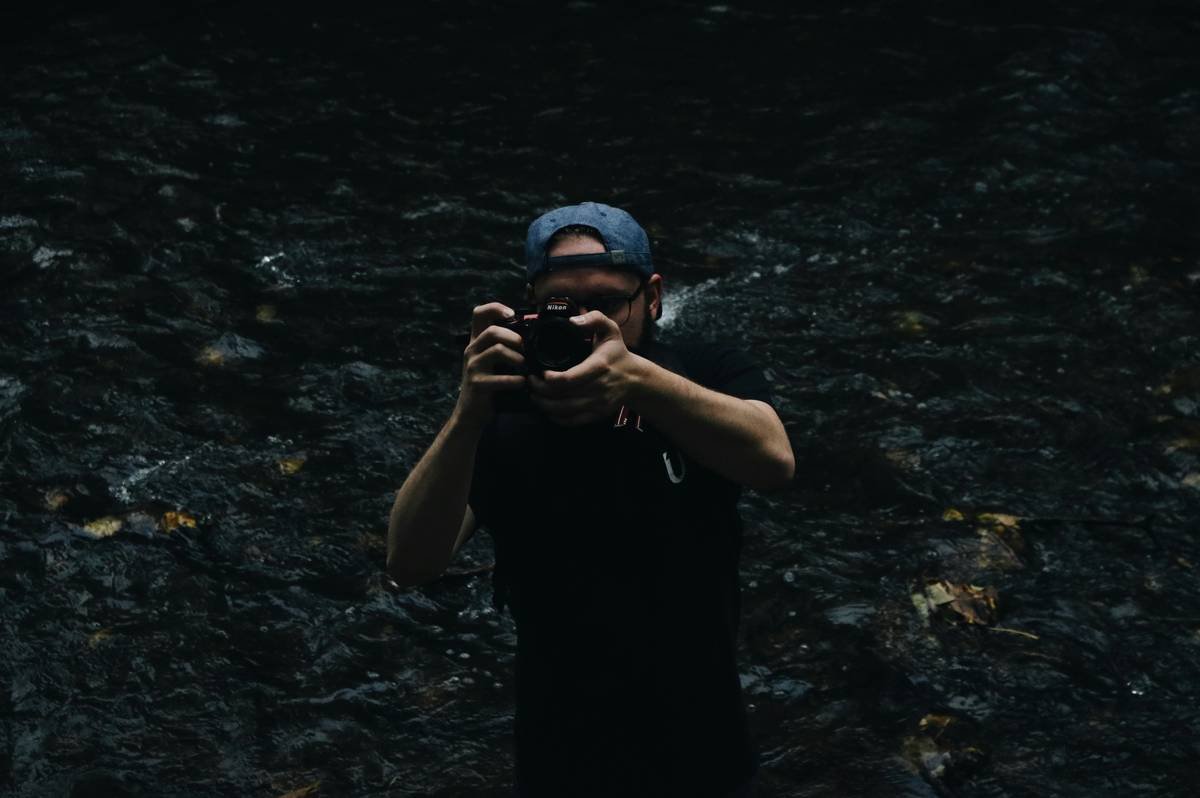
Ever dropped your DSLR and heard that gut-wrenching *thud* echo louder than your favorite song on repeat? Yeah, we’ve all been there—or narrowly avoided it. Whether you’re a full-time photographer or just someone who loves capturing memories with expensive gear, accidents happen. But what if I told you the best way to protect your investment isn’t crossing your fingers—it’s camera insurance safeguard?
In this post, we’ll break down why camera insurance safeguard is critical for creatives (and enthusiasts!), how to choose the right policy, actionable tips for getting started, and even some personal fails that might make you cringe harder than lens glare in portrait mode.
Table of Contents
- Why Camera Insurance Safeguard Matters More Than You Think
- Step-by-Step Guide to Securing Camera Insurance Safeguard
- 5 Unspoken Tips for Maximizing Your Coverage
- Real Stories of How Camera Insurance Safeguard Saved the Day
- FAQs About Camera Insurance Safeguard Answered
Key Takeaways
- Camera insurance safeguard protects against theft, damage, and unexpected disasters.
- Selecting the right policy involves understanding coverage limits, deductibles, and exclusions.
- Small mistakes—like not documenting serial numbers—can cost you big when filing claims.
Why Camera Insurance Safeguard Matters More Than You Think
Imagine this: You’re shooting an outdoor wedding. The sunset looks like pure magic, and then—bam! A rogue gust sends your tripod tumbling into the lake, taking your $2,000 lens with it. Oof. If that doesn’t sound painful enough, imagine replacing it out-of-pocket.
Here’s another stat that’ll make your wallet cry: According to industry reports, over 60% of professional photographers have experienced equipment loss or major damage within their career span. And no, homeowner’s insurance won’t cover everything. That’s where camera insurance safeguard steps in as your unsung hero.
Sensory Detour: Picture yourself frantically shaking water off your GoPro after a wild rafting adventure. Now add the mental screech of realizing you don’t have backup funds. Feels worse than stepping barefoot onto Legos, doesn’t it?
Step-by-Step Guide to Securing Camera Insurance Safeguard
Optimist You:
“This sounds simple enough! Where do I start?”
Grumpy Me:
“Buckle up, buttercup—it’s gonna take more than googling ‘cheap deals.’”
Step 1: Assess Your Equipment Needs
First things first: list every piece of gear you own. From cameras to tripods, lenses, lighting kits, and even spare batteries, nothing should be left out. This inventory is crucial for determining coverage levels.
Step 2: Research Reputable Providers
Not all insurers are created equal. Look for companies specializing in media insurance—they’re pros at tailoring policies specifically for photographers, videographers, and content creators. Popular names include:
- Nationwide
- Hiscox
- PJ&A (Photographic Journalists Association)
Step 3: Evaluate Coverage Options
Your camera insurance safeguard could include:
- Theft protection
- Accidental damage repair/replacement
- Weather-related incidents
- Liability coverage for client injuries during shoots
Step 4: Compare Quotes
Don’t settle for the first quote you get. Shop around. Prices vary based on location, type of work, and the value of your equipment. Always read the fine print so you know exactly what’s covered—and what’s not.
Step 5: Document Everything
Before finalizing, snap photos of all your gear and save receipts. Store these digitally in cloud storage (Google Drive or Dropbox works wonders). Trust me, having proof can save hours of headaches later.

5 Unspoken Tips for Maximizing Your Coverage
Let’s dive into strategies most people miss but could save your bacon:
- Bundle Policies: Combine multiple devices under one plan. It’s cheaper than insuring each item separately.
- Avoid Sketchy Add-Ons: Some extras—like covering accidental scratches—are usually unnecessary.
- Talk to Real People: Call customer support instead of relying solely on online chats. Reps often offer hidden perks.
- Keep Records Current: Update your inventory annually or whenever you buy new gear.
- Know Exclusions: Cheap plans may exclude pricey lenses or drones. Be wary.
Warning: Avoid going ultra-cheap. A $5/month generic gadget policy probably won’t cut it when disaster strikes. Quality matters here.
Real Stories of How Camera Insurance Safeguard Saved the Day
Meet Sarah, a travel vlogger whose drone crashed mid-flight during a trek through Iceland. Thanks to her specialized media insurance policy, she replaced the device without dipping into her savings.
Or consider James, a wedding photographer whose entire bag got stolen from his car. With proper documentation and a solid claim process from his insurer, he recovered almost instantly—an experience many freelancers dream of.
Brutal Honesty Segment: On the flip side, remember Lisa, who skimped on coverage by choosing a basic renters’ plan only to lose thousands when her home flooded. Learn from her mistake.
FAQs About Camera Insurance Safeguard Answered
Q1: Does Renters/Homeowners Insurance Cover Cameras?
In short: sometimes. However, such policies typically come with low caps, meaning they might not fully reimburse high-end gear.
Q2: What Happens If My Gear Gets Damaged Overseas?
Many providers extend international coverage, but confirm before traveling. Bring copies of your policy summary while abroad.
Q3: Can I Insure Borrowed Equipment?
Some policies allow temporary coverage for borrowed items, but conditions vary widely. Always clarify terms upfront.
Conclusion
Protecting your photography dreams doesn’t require psychic powers—it requires smart planning. By securing a reliable camera insurance safeguard, you’re investing in peace of mind alongside top-notch tools.
Whether it’s avoiding rookie errors (ahem, my #VeganRecipes fail comes to mind) or dodging financial hits, proactive choices win. Ready to level up? Dive deeper and find a plan that fits YOUR unique setup.
Oh, and one last thing…
Lenses crash loud—oops!
Backup files + safeguards,
Peace reigns once again.