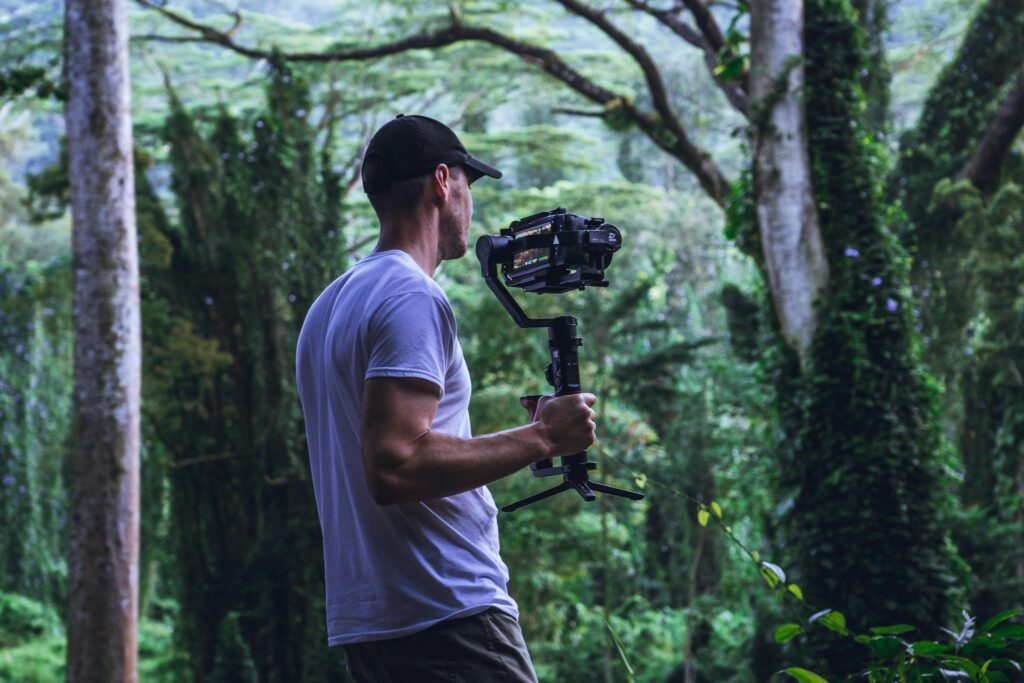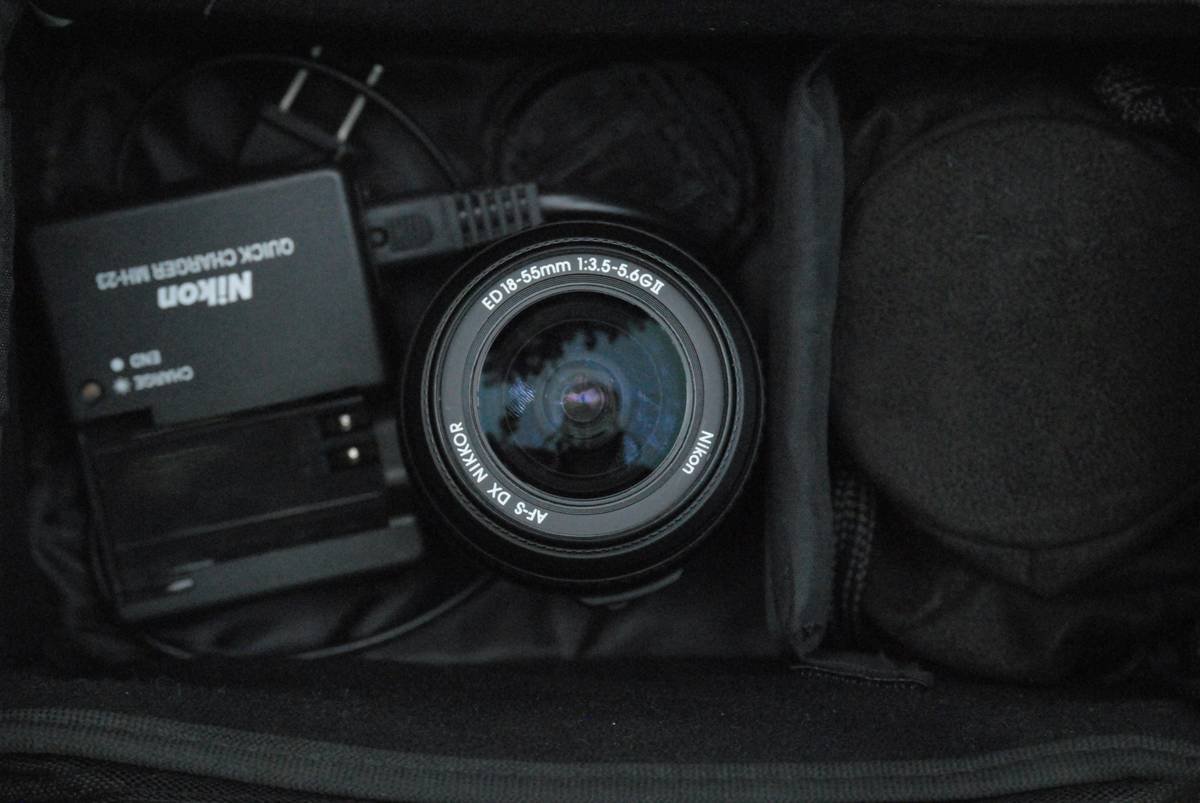
Ever lost sleep over the thought of your $3,000 camera lens shattering mid-shoot? Yeah, we’ve been there too. Gear damage insurance is no longer just a “nice-to-have” for media professionals—it’s survival gear.
Table of Contents
- Why You Need Gear Damage Insurance Today
- Key Takeaways
- Sh*t Happens: Why Your Gear Is Vulnerable
- Step-by-Step Guide to Insuring Your Gear
- Tips for Maximizing Your Gear Damage Insurance
- Real-Life Wins with Gear Damage Insurance
- FAQs About Gear Damage Insurance
Key Takeaways
- Gear damage insurance protects expensive equipment used in photography, videography, and other media fields.
- Not all policies are created equal; customization is crucial.
- Accidents happen—gear insurance ensures you can quickly recover without draining your bank account.
Sh*t Happens: Why Your Gear Is Vulnerable
Let’s get real for a second. As someone who once dropped an entire drone setup into a lake (oops), I can tell you firsthand that accidents don’t care how careful you think you are. Whether it’s rain ruining your audio recorder or clumsy hands smashing your lighting rig, your gear is constantly at risk.
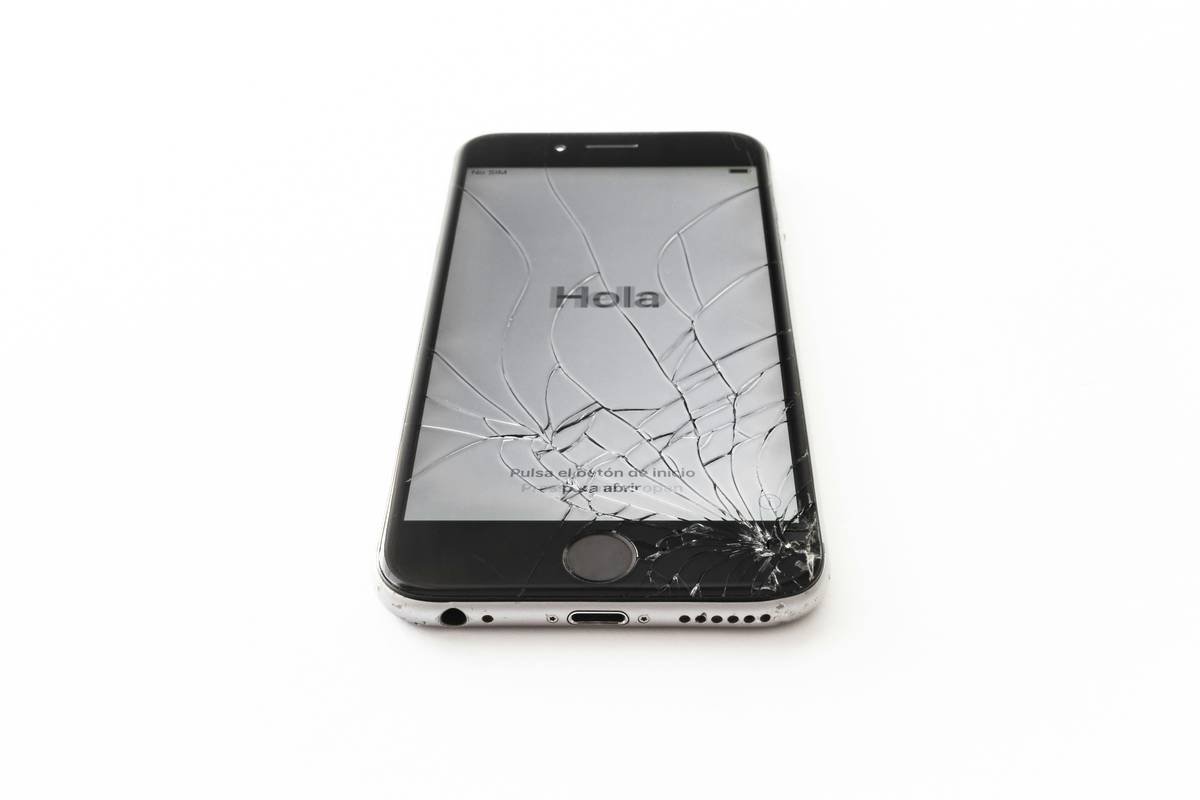
And here’s the kicker: repairs often cost more than buying new gear. That’s why gear damage insurance isn’t optional anymore—it’s essential. According to industry reports, nearly 60% of freelancers in creative industries face unexpected equipment failures every year. Sounds like chaos? It kind of is.
Step-by-Step Guide to Insuring Your Gear
Step 1: Take Stock of What You Own
Optimist You:* “I’ll list everything later!”
Grumpy You:* “Nope, do it now or regret forever.”*
Create an inventory spreadsheet detailing each piece of gear, including make, model, serial numbers, and purchase dates. This will save your bacon when filing claims.
Step 2: Research Policies Tailored to Media Professionals
Don’t settle for generic homeowner’s insurance add-ons—they rarely cover professional use cases. Look for policies specifically designed for photographers, filmmakers, podcasters, etc.
Step 3: Compare Coverage Options
Some insurers offer worldwide coverage, while others cap reimbursements based on location. Pay close attention to exclusions, like intentional misuse or wear-and-tear clauses.
Tips for Maximizing Your Gear Damage Insurance
- Document Everything: Photos of your gear pre-damage help prove its condition.
- Keep Receipts: Proof of ownership matters big time during claim processing.
- Avoid “Cheap” Plans: Low premiums might mean subpar support and limited payouts.
Bonus Rant: Do not—I repeat, DO NOT—skimp on deductible amounts. Sure, lower upfront costs sound nice, but guess what happens if your drone crashes? That sweet deal turns sour fast.
Real-Life Wins with Gear Damage Insurance
Case Study #1: Meet Sarah, a wedding photographer whose Canon EOS crashed during a shoot. Thanks to her policy, she replaced the damaged body within days instead of months.
Case Study #2: James, a travel vlogger, accidentally left his GoPro charging cable hanging out of his backpack in Bali. The theft was fully reimbursed under his worldwide coverage plan.
FAQs About Gear Damage Insurance
What Does Gear Damage Insurance Typically Cover?
Most policies include accidental damage, theft, fire, water exposure, and even power surges frying electronics.
How Much Does It Cost?
Premiums vary widely depending on the value of your gear but generally range from $200-$500 annually.
Can I Add Accessories Like Tripods or SD Cards?
Yes! Many plans let you extend coverage to accessories as long as they’re listed in your inventory.
Is There Anything It WON’T Cover?
Negligence (like leaving gear unattended) and routine maintenance issues aren’t typically included.
*Pro Tip Gone Wrong:* Don’t assume your renters’ insurance covers work-related gear. Spoiler alert: It usually doesn’t.
Conclusion
Gear damage insurance isn’t just a safety net; it’s peace of mind wrapped in monthly payments. By taking stock of your gear, researching tailored policies, and documenting everything meticulously, you can ensure your media empire keeps churning—even after the inevitable mishap.
To recap:
- Your gear is vulnerable, so protect it.
- Research policies suited to your specific needs.
- Follow best practices to maximize your investment.
Now go forth, insured and unstoppable!
P.S. Remember this haiku:
Gear breaks, life goes on,
Insurance saves dreams untold—
Peace, one premium.